
DIY handbags present an excellent avenue for individuals to cultivate their personal style. Crafting one's own handbag allows for the selection of unique materials and the application of simple sewing techniques.
This process not only fosters creativity but also promotes sustainability through upcycling. However, the true charm lies in the personal touches that can transform a basic bag into a distinct statement piece.
Exploring the various methods to achieve this can truly enhance one's crafting experience.
When selecting materials for a DIY handbag, it is essential to contemplate both functionality and aesthetics. The choice of fabric notably influences the bag's durability and style. Common options include canvas for its robustness, leather for a luxurious appeal, and cotton for a lightweight, casual option.
Additionally, considering the handbag's intended use is important; a daily tote may require sturdier materials compared to an evening clutch. Hardware components also play a significant role in the overall design. Zippers, clasps, and straps should complement the chosen fabric while ensuring practicality.
Color coordination cannot be overlooked; selecting hues that resonate with personal style enhances the handbag's visual impact. Texture adds another layer of interest; combining smooth and textured materials can create a unique finish. Ultimately, the right materials not only fulfill the handbag's purpose but also reflect the maker's creative vision, resulting in a one-of-a-kind accessory.
Numerous simple sewing techniques can empower beginners to create their own handbags with confidence. Mastery of the straight stitch is fundamental, providing a strong foundation for sewing seams. Utilizing a sewing machine can streamline this process, allowing for greater precision and speed. Beginners should also learn to backstitch, which reinforces seams and prevents unraveling.
Another essential technique is the use of pins or clips, which help hold fabric pieces together during sewing, ensuring accuracy. Beginners may also explore the zigzag stitch, ideal for finishing raw edges to prevent fraying.
Familiarity with basic hand-sewing techniques, such as the whip stitch and slip stitch, can enhance skills and provide alternatives when a sewing machine is unavailable. By practicing these techniques, novice crafters can build their confidence and create stylish handbags, setting the stage for more advanced projects in the future.

Upcycling old fabrics into trendy bags offers a sustainable way to craft unique accessories while reducing waste. This creative process involves repurposing discarded textiles, such as worn-out clothing, table linens, or fabric remnants, transforming them into fashionable handbags. Individuals can select various materials, allowing for a diverse range of textures and patterns that reflect their personal style.
The initial step involves gathering suitable fabrics, followed by planning the design. Simple patterns, such as totes or clutches, are ideal for beginners. By employing basic sewing techniques, one can piece together these materials, ensuring durability and practicality. Additionally, reinforcing seams and adding linings can enhance the bag's functionality.
This approach not only promotes environmental consciousness but also encourages creativity, as each bag tells a unique story through its fabric's history. Upcycling old fabrics results in one-of-a-kind handbags that stand out in a world of mass-produced accessories.
While creating a handbag from upcycled fabrics can be rewarding on its own, adding personal touches and embellishments transforms each piece into a true reflection of the maker's personality. Incorporating unique elements, such as hand-stitched designs, fabric appliqués, or embroidered initials, allows individuals to showcase their creativity.
Moreover, using unexpected materials like beads, buttons, or charms can enhance the handbag's aesthetic appeal and make it one-of-a-kind. Colorful trims, tassels, or contrasting stitching can also add depth and visual interest. The choice of embellishments should align with the overall design theme, ensuring a cohesive look.
Additionally, integrating functional elements, such as pockets or detachable straps, can personalize the handbag's usability. Ultimately, these enhancements not only elevate the handbag's style but also create a narrative that connects the maker to the finished product, making each handbag a cherished accessory.

Once the crafting process is complete, showcasing finished handbag designs becomes an essential step in celebrating creativity and skill. This phase allows creators to highlight their unique styles and craftsmanship. Various platforms can be utilized for showcasing, including social media, craft fairs, and online marketplaces.
Photographs play a key role; high-quality images that capture details and colors can effectively attract an audience. Additionally, creators may consider styling the bags with outfits to demonstrate versatility and appeal. Engaging with local fashion communities or participating in workshops can further enhance visibility and appreciation for the designs.
Feedback from peers and potential customers can provide valuable insights, fostering improvement and innovation in future projects. Ultimately, showcasing handbags not only highlights individual artistry but also cultivates a sense of connection within the crafting community, inspiring others to initiate their own DIY journeys.
As fashion evolves, statement bags have emerged as essential accessories that redefine personal style and make bold impressions. These eye-catching pieces often feature unique designs, vibrant colors, or intricate embellishments, allowing individuals to express their personalities and creativity.
Celebrities frequently showcase statement bags on red carpets and social media, emphasizing their role in setting trends and influencing public perception. Brands are increasingly embracing the art of making a statement, offering bags that serve as conversation starters. From oversized totes adorned with playful motifs to structured clutches with avant-garde shapes, the diversity in styles guarantees there is a statement bag for every occasion.
Fashion enthusiasts understand that a striking handbag can elevate even the simplest outfits, transforming them into memorable ensembles. As the fashion landscape continues to shift, statement bags remain at the forefront, symbolizing confidence and individuality in an ever-changing world.
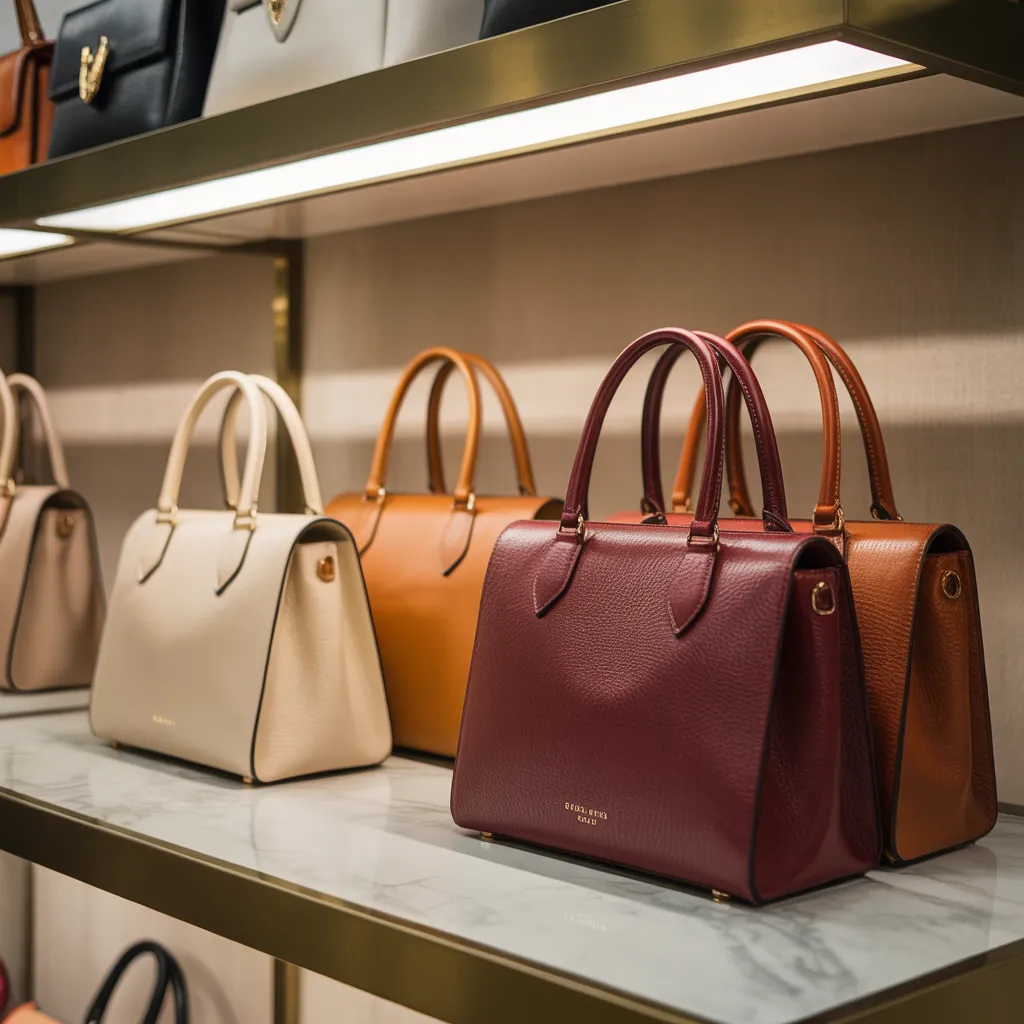
Leather, nylon, and canvas are favored materials for durability and longevity. Each offers unique benefits; leather provides elegance, nylon resists wear, and canvas is lightweight yet sturdy, making them ideal choices for long-lasting handbags.
Luxury handbags commonly utilize materials such as high-quality leather, suede, canvas, and exotic skins like crocodile or python. Additionally, some incorporate innovative textiles and sustainable options, reflecting both craftsmanship and evolving consumer preferences in fashion.
To eliminate bad odors from a handbag, one should empty it, clean the interior with a gentle solution, and place odor-absorbing materials like baking soda or activated charcoal inside, allowing it to air out thoroughly.